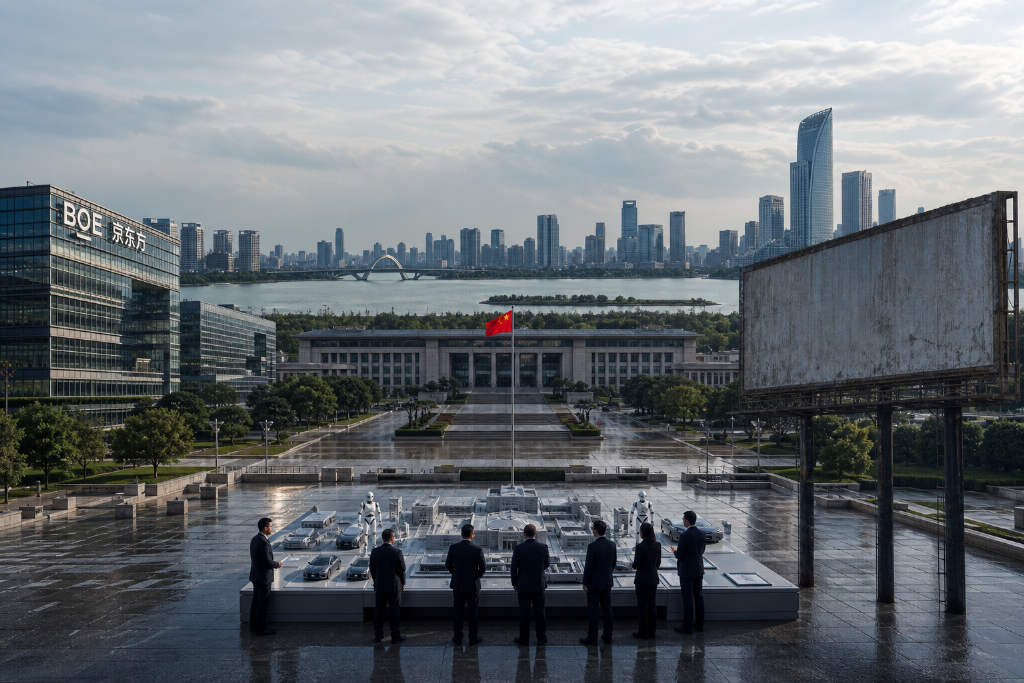
equity financ2026-08-31 12:52:16Local governments chase Hefei’s equity-finance playbook, but funding, risk control and exits remain major hurdlesUnitree Technology’s listing has pushed “equity finance” back into focus in China, as local state capital appears on the shareholder roster of yet another hard-tech company. The model, often associated with Hefei’s high-profile investments in BOE, NIO and CXMT, has gained traction as land-sale revenue weakens and local governments search for new sources of fiscal support. Yet the article argues that the approach is far harder to replicate than headline successes suggest. Experts interviewed by Time Weekly said equity investment cannot simply replace land finance. Even on a broad measure, local state-capital operating income remains only a small fraction of land-transfer revenue. They also pointed to three practical barriers: many local governments lack spare funds to invest, picking winners in sectors such as semiconductors and new energy requires strong professional judgment, and exits often depend on listings or acquisitions that may take years or never happen. The piece contrasts Hefei’s celebrated wins with failed cases such as local backing for Neta Auto, and says structural issues still matter more than enthusiasm. In the longer run, experts said the path forward for local public finance still depends on fiscal-system reform, clearer rules for state-capital investment, better tolerance for normal market risk, and changes to the division of fiscal powers and tax reform between the central and local governments.460
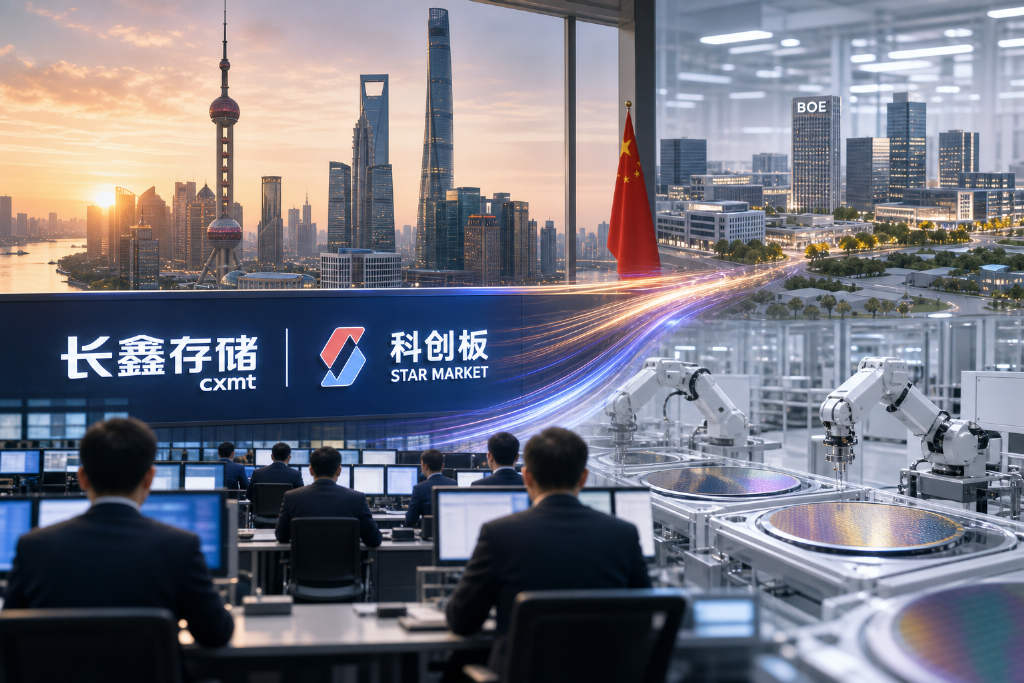
Hefei model2026-08-18 11:55:08Changxin’s IPO thrust Hefei’s state capital strategy into focus as paper gains topped RMB 1 trillionChangxin Memory’s market debut on Shanghai’s STAR Market on July 27, 2026, turned a long-running industrial bet by Hefei into one of the most discussed capital stories in China. The company opened at its RMB 8.66 offer price, surged more than 465% by the close, and finished its first day with a market capitalization of about RMB 3.3 trillion. On the following day, its valuation briefly climbed to RMB 3.66 trillion. That move sharply lifted the value of Hefei’s state-owned holdings. Based on the final ownership structure cited in the source article, Hefei’s state capital system was sitting on paper gains of more than RMB 1 trillion, built from cumulative investment of roughly RMB 26 billion to RMB 30 billion over nearly a decade. The article traces that outcome back to 2016, when Zhu Yiming pushed a DRAM industrialization plan that many places declined as too risky, while Hefei agreed to back the project. The report also links Changxin with an earlier BOE investment in 2008 to explain what is now widely called the “Hefei model”: using patient state capital to support strategically important industries through long loss-making cycles, then using the capital market to reprice those holdings. At the same time, the article argues the model is not easy to duplicate. It points to four factors behind Hefei’s result: unusual policy continuity, specialized state investment platforms, favorable timing tied to the AI-driven memory boom, and organizational discipline that many other cities have struggled to match.690